
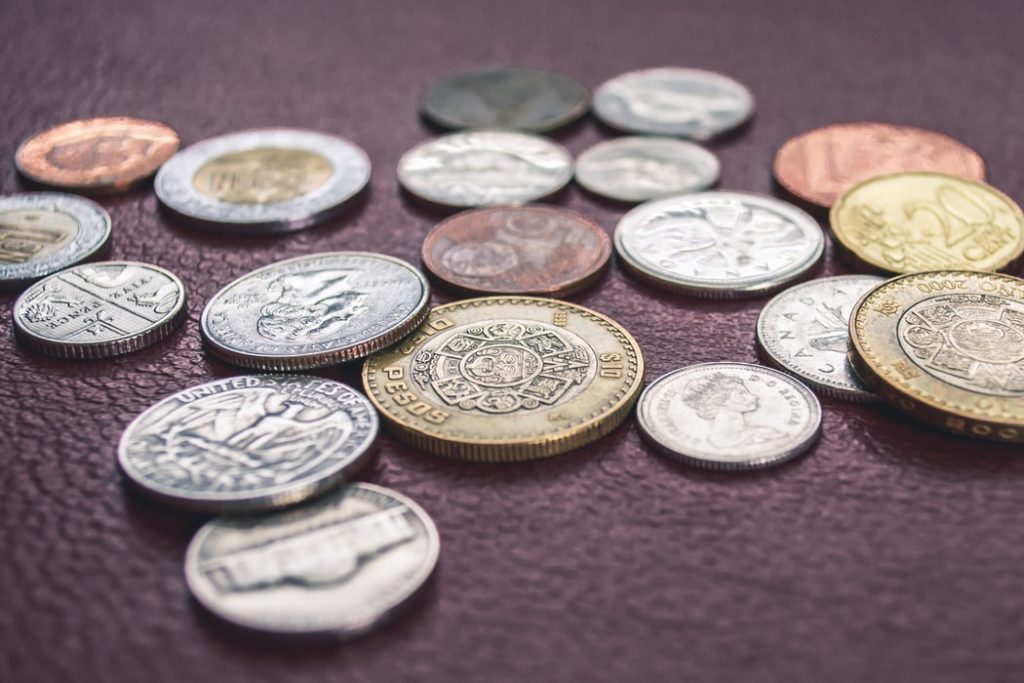
Silver coins are coins that contain a measurable percentage of silver, often used for currency or investment purposes.
Key Takeaways
- U.S. coins minted before 1965 typically contain about 90% silver.
- Modern bullion coins often contain 99.9% pure silver.
- Silver coins are commonly measured in troy ounces.
Silver coins were once widely used in circulation. However, this practice has long since stopped, and silver coins are more precious today than they were in the past. The color of a coin has little to do with its composition, and many coins that look silver are not made with this metal. Understanding which coins are silver can help you understand the value of the pieces in your collection and avoid overlooking hidden treasures.
What Is the History of Silver Coins in the U.S.?
Prior to 1965, all dimes, quarters, and half dollars in the United States were made of 90% silver. In the 1960s, the United States began to experience a silver shortage that would dramatically change coin production in the country. As the value of silver rapidly increased, so too did the value of minted coins in the U.S. Soon, the value of the silver in a quarter was worth more as bullion than as a currency.
Though the Bureau of the Mint was able to increase coin production to combat the shortage through 1965, this didn’t alleviate the rapid reduction of government stocks of silver. Coin hoarding continued, and the problem grew. Finally, President Lyndon B. Johnson passed the Coinage Act of 1965, removing silver coins from circulation. Section 101 of the act authorized the issuance of dimes, quarters, and half dollars with clad composition. The half dollar was reduced to just 40% silver, while dimes and quarters were made with a copper core and clad metal outer layer composed of 75% copper and 25% nickel. For collectors asking which past U.S. coins are silver, “pre‑1965” is the main rule of thumb.
How Can You Tell If a Coin Is Silver?
The year that a coin was minted will give you an essential clue as to its composition. Nearly all dimes, quarters, and half dollars made in 1965 or later are not silver. When you look at the edge of the coin, you can see a copper stripe, indicating that the coin is clad. Rare silver coins are silver along this edge. Kennedy half dollars minted between 1965 and 1970 are silver with some faint traces of copper visible along the edge, as these coins are made from 40% silver.
For quick sorting, many collectors keep a simple checklist of which circulating U.S. coins are silver and which are clad. If you’d like a broader framework for sorting and valuing what you find, our main coins and currency page and articles on coin buyers in Las Vegas and coin sale returns explain how these basic ID steps feed into value.
Are There Really “Silver Pennies”?
Some people believe that there are silver pennies, but this is largely a myth. In 1943, the United States Mint began making steel pennies coated in zinc to help save copper for the war effort. These pennies are silver in color, but not in composition. Though they have some novelty value as collectors’ items, steel pennies are not worth very much. In fact, copper pennies minted in 1943 are far more valuable because of their rarity. These coins were struck in error and are now worth as much as $85,000.
Another rare penny is the 1944 steel penny. Like the 1943 penny, this coin isn’t made from actual silver. However, 1944 steel pennies are extremely valuable because only about 35 of them are known to exist. These coins were struck in error and may be worth around $110,000.
In 1974, the value of copper was so high that pennies were facing a fate similar to that of silver dimes and quarters of the past. The United States Mint began to explore alternatives, including a 96% aluminum alloy penny. Some of these pennies were struck experimentally, but they were never approved for circulation. The coins were recalled and melted, but a very small number may still exist.
One known example is an unauthorized aluminum cent from the Denver mint that was returned to the United States Mint by the heir of a former mint employee. If in existence, these pennies could be worth $200,000 or more. Though there are no actual silver pennies, rare pennies that look silver can have far greater value than other silver coins. These examples show that when you’re asking which coins are silver, color alone isn’t enough—you also need to understand composition and minting history.
Which Jefferson Nickels Are Silver?
Nickels are typically composed of 75% copper and 25% nickel. Thus, they were not impacted by the Coinage Act of 1965. However, there are some rare silver nickels in existence. During World War II, nickel became a valuable commodity for armor plating. In 1942, Congress ordered the removal of nickel from the 5-cent piece. From 1942 to 1945, nickels were made from 35% silver, 56% copper, and 9% manganese. Prices vary greatly for these nickels, but some have been valued between $50 and $700 depending on the year and mint mark.
These “wartime nickels” have a large mint mark over Monticello on the reverse, making them easier to spot when you’re checking which older U.S. coins are silver. They’re a good reminder that some denominations you might normally ignore can actually hide real silver content.
Which Modern U.S. Coins Are Silver Today?
Though silver coins are no longer used in day‑to‑day circulation, a number of collectors’ coins are still made from silver. The U.S. Mint produces a wide variety of silver coins in proof and uncirculated finishes. These coins are often used as an intriguing way to add silver to one’s investment portfolio. Silver proofs are made from 99.9% fine silver. Silver dollars and silver quarters made for collectors contain at least 90% silver.
If you’re wondering which current U.S. coins are silver and still being made, popular examples include American Silver Eagles and various commemorative dollars and half dollars. For a deeper dive into bullion issues that pair well with older silver, see our companion article on U.S. 999 silver coins or our broader guide to 999 silver coins and bars when planning a metals strategy.
What Really Determines the Value of Silver Coins?
The value of silver as a precious metal fluctuates regularly. The highest silver price recorded to date was $49.45 an ounce on January 18, 1980. The lowest silver price in history was just $0.25 an ounce in late 1932 and early 1933. The value of any silver coin is partially reliant on the value of silver itself. However, there are several other factors that impact the value of silver coins as well, including:
- Condition: The overall state of the coin may increase its value. Rare coins in mint condition are far more valuable than those that are damaged or show signs of wear.
- Rarity: If there are only a few examples of a particular coin in existence, the value will skyrocket. Common coins containing silver typically have the same value as their silver content.
- Demand: As with any commodity, supply and demand is a key factor. If a particular collectible goes into high demand, the price can increase quickly. However, even a relatively uncommon coin may go for a low price if there’s currently little demand for it.
Thinking through these factors—rather than just asking which coins are silver—helps you understand why some issues trade near melt while others sell for multiples of their bullion value. For more context, our posts on valuable American coin years and the most valuable U.S. coins show how silver content and numismatic rarity can stack together.
If you have rare coins in your possession, it’s worth having them valued. Our professional appraisers at Las Vegas Jewelry and Coin Buyers can assess the value of any coins in your collection and make you an offer if you’re interested in selling. You can also start from our blog homepage or Las Vegas Jewelry and Coin Buyers homepage to explore more topics before you bring your coins in.
Frequently Asked Questions (FAQ)
How can I quickly tell which U.S. coins are silver in my change?
As a quick rule, most U.S. dimes, quarters, and half dollars dated 1964 or earlier are 90% silver, while later dates are clad—checking the year and looking for a brownish copper edge is the fastest first pass.
Are there any nickels or pennies people think are silver but really aren’t?
Yes, 1943 steel pennies and normal Jefferson nickels are often mistaken for silver, but only 1942–1945 “wartime nickels” have real silver content, and there are no regular‑issue U.S. pennies that are actually made of silver.
Can Las Vegas Jewelry and Coin Buyers help me sort out which of my coins are silver?
Las Vegas Jewelry and Coin Buyers can go through your collection, separate coins that are silver from those that aren’t, and explain which dates and denominations have extra collector value beyond their metal content.
Do modern U.S. coins still contain silver, or is it only older pieces?
Modern circulating coins no longer contain silver, but the U.S. Mint still makes silver proof and bullion issues for collectors, so some newer dollars, half dollars, and commemoratives are silver even if they never enter regular change.
When should I bring my silver coins to Las Vegas Jewelry and Coin Buyers?
Anytime you discover older rolls, inherit a collection, or simply want to know which coins are silver and what they’re worth is a good time to visit Las Vegas Jewelry and Coin Buyers for a professional evaluation and potential offer.