
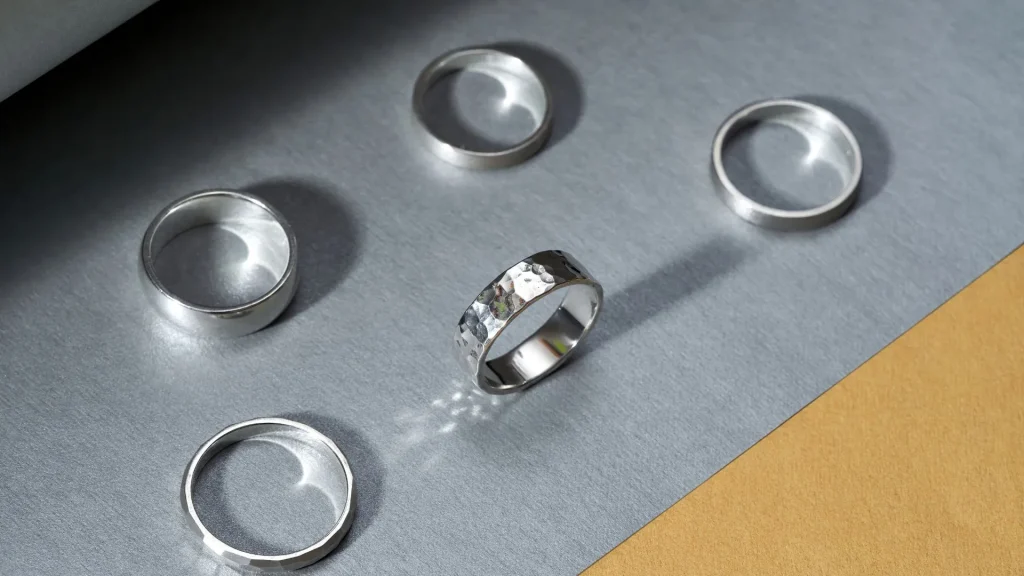
To tell sterling silver from silver-plated metal at home, begin with the hallmark, then inspect worn areas, test several sections with a magnet, examine the tarnish, and look closely at the item’s construction. Sterling silver contains at least 92.5% silver, while silver-plated items have a silver coating over another metal. No single home test proves purity, so combine several clues and request professional testing before selling.
Key Takeaways
- Sterling silver contains 92.5% pure silver and 7.5% alloy metals.
- Common sterling hallmarks include “925,” “STERLING,” or “STG.”
- Silver-plated items contain only a thin silver coating over a base metal such as copper or brass.
What Is Sterling Silver, And What Does “925” Mean?

Sterling silver is a silver alloy that is typically 92.5% silver and 7.5% other metals (often copper) to improve strength. That’s why sterling is commonly stamped “925,” which is shorthand for its purity.
When you’re comparing sterling silver vs silver-plated, a clear “925” or “STERLING” stamp is one of the fastest positive signs for sterling silver. Still, stamps can be worn down or placed on parts that get replaced, so treat hallmarks as your first checkpoint, not your only checkpoint.
What Is Silver-Plated, And Why Does It Look Like Real Silver?
Silver-plated items are made from a base metal (like brass, copper, or another alloy) with a thin layer of silver bonded to the surface. From a few feet away, that surface can look nearly identical to sterling, which is why sterling silver vs silver-plated is one of the most common “what do I actually have?” questions.
Over time, plating tends to wear down in high-contact areas like edges, raised details, and clasp points, revealing a different color underneath. That “peek-through” effect is one of the most practical home clues you can use to distinguish sterling silver vs silver-plated without damaging the item.
Why Does Sterling Silver Vs Silver-Plated Matter?
Sterling silver vs silver-plated matters because the amount of real silver can be dramatically different, which affects resale value and whether a buyer treats the item as “silver” or “decorative.” Sterling has measurable precious metal content, while plated items may have only a very thin coating of silver, even if they look impressive.
This difference matters most when you’re sorting jewelry, flatware, or inherited sets and trying to decide what’s worth testing, cleaning, or selling. If your end goal is resale, it’s useful to understand how buyers think about “melt value” vs “resale value,” which is discussed in TopVegasBuyer’s guide on Selling Scrap Silver Jewelry.
What Are The Fastest Hallmarks To Check First?
Start by checking for sterling silver indicators such as:
- 925
- STERLING
- STG
When you’re unsure about sterling silver vs silver-plated, hallmark reading should be step one. It’s fast, it’s non-damaging, and it often gives you a strong directional answer in seconds.
At the same time, not all real sterling items are clearly stamped, and not all stamps stay readable forever. If you don’t find a stamp, move to the tests below rather than assuming it’s plated.
Where Should I Look For Hallmarks On Jewelry, Flatware, And Tableware?
On jewelry, hallmarks are commonly found on the inside of ring bands, near clasps, on earring posts, or on the back of pendants. On chains and bracelets, check the clasp and the tag near the clasp first.
On flatware and tableware, markings are often on the back of handles, near the base, or on the underside of the piece. For items like trays, bowls, and teapots, check the bottom rim or underside where makers’ marks are usually placed.
If you’re sorting a larger mixed lot, it can help to make quick “sterling,” “plated,” and “unsure” piles, then re-check the “unsure” pile with the tests below.
What Are The 5 At-Home Tests For Sterling Silver Vs Silver-Plated That Actually Help?
Las Vegas Jewellery and Coin Exchange believes that no single test is perfect for distinguishing sterling silver from silver-plated, so you’ll get the best results by combining a few checks. Use the sequence below to reduce false positives and avoid damaging items that might be collectible or sentimental.
These tests are ordered from safest and easiest to more advanced.
1) The Hallmark Test
A “925” or “STERLING” stamp strongly suggests the piece is sterling silver. If you see a clear sterling mark on the main body of the item (not just a removable part), you usually have your answer.
If there is no stamp, it still might be sterling especially if the piece is older, worn, or has a small mark in an unexpected place, so keep testing before deciding sterling silver vs silver-plated. This is also where a quick buyer evaluation can save time if you have many pieces to sort.
2) The Magnet Test
Silver is non-magnetic, so if a magnet sticks strongly to the item’s main body, it’s likely not sterling silver. Strong attraction can suggest steel or another magnetic base metal, which is common in some plated or costume items.
However, the magnet test cannot confirm sterling by itself. Many base metals used under plating are also not magnetic, and some jewelry pieces can have magnetic clasps even when the chain itself is sterling.
How to do it safely:
- Use a small magnet.
- Test multiple areas (don’t rely only on the clasp).
- Treat “no magnet pull” as “inconclusive,” not as proof of sterling.
3) The Wear Patterns
Wear patterns are one of the most useful non-damaging indicators of sterling silver vs silver-plated. Plated items often show uneven wear on edges, corners, and raised details where the thin silver layer rubs away faster.
Common plated clues include:
- A brassy, coppery, or darker tone showing through on corners and rims.
- Flaking that looks like a surface layer peeling.
- High spots that look “different” than recessed areas even after cleaning.
Sterling can still show wear, but it generally wears more uniformly because the material is consistent throughout the piece. If the item looks “two-tone” due to rubbing rather than tarnish, that often points toward plating in the sterling silver vs silver-plated comparison.
4) The Tarnish
Sterling silver tarnishes over time because it contains alloy metals that react with air, moisture, and chemicals. Tarnish is normal, and it doesn’t automatically mean the piece is fake.
In sterling silver vs silver-plated, tarnish is only a clue, not final proof. Plated pieces can also discolor, and other metals can produce dark oxidation that resembles tarnish.
What tarnish can help with:
- Sterling often develops a gray-to-black tarnish that can collect in crevices and detailed patterns.
- If you’re seeing heavy tarnish, don’t scrub aggressively over-cleaning can remove detail and affect value, which TopVegasBuyer notes when discussing silver tarnish and cleaning.
If you want a deeper explanation of why sterling tarnishes and how to prevent it, TopVegasBuyer has a dedicated guide: Does Sterling Silver Tarnish?.
5) The Acid Test
Acid tests can help differentiate metals, but they can be risky and can damage items, so professional testing is usually the safer option. If you’re mainly trying to resolve sterling silver vs silver-plated for selling, it’s typically better to bring the item to a reputable buyer for testing rather than risking damage at home.
If you do decide to do an acid test anyway, consider stopping if:
- The piece might be collectible or antique.
- The finish matters for resale.
- You’re not confident you can do the test safely.
For many sellers, the simplest path is to sort at home using the safe tests above, then bring the “sterling” and “unsure” piles in for evaluation.
What About The Ice Test For Sterling Silver Vs Silver-Plated?
Some guides suggest real silver’s thermal conductivity can make ice melt faster on silver surfaces, so it can be a supporting clue. The problem is that results can vary with room temperature, item thickness, and how well the ice contacts the surface.
Because of those variables, don’t rely on the ice test alone for sterling silver vs silver-plated. If it’s pointing one way but your hallmark and wear-pattern clues point another way, the ice test should be ignored.
What Are Common Silver-Plated Markings I Should Watch For?
If you see explicit wording that indicates plating, treat it as plated unless professional testing shows otherwise. Common examples include phrases like “Silver Plate” or similar plating terms (wording varies by maker and item type).
If you find a stamp that seems ambiguous, take a photo and compare it against other markings on the piece, then move to the wear-pattern test for confirmation.
What Are Common Items That Are Sterling Silver Vs Silver-Plated?
Sterling silver is common in:
- Many types of jewelry (chains, rings, bracelets, earrings).
- Some flatware sets and tableware pieces.
Silver-plated items are common in:
- Decorative trays, bowls, and display pieces.
- Budget flatware and serving utensils made to look like silver.
- Costume jewelry designed to mimic precious metal.
If you’re also comparing sterling to other “white metal” options (like white gold), TopVegasBuyer’s comparison guide can help with broader context: Pure Silver vs Sterling Silver vs White Gold.
What Are The Biggest Mistakes People Make When Identifying Sterling Silver Vs Silver-Plated?
The most common mistake is relying on only one test, especially the magnet test and treating it as final proof. Another frequent mistake is assuming that “unmarked” automatically means plated, even though stamps can be worn down or placed in hard-to-find areas.
Sellers also lose time by trying to deep-clean everything before they even know what it is. Light cleaning is fine for inspection, but aggressive polishing can reduce detail and may affect value, which is why TopVegasBuyer emphasizes careful handling of tarnish and cleaning.
When Should I Stop Testing And Get Professional Help For Sterling Silver Vs Silver-Plated?
Stop home testing and get professional evaluation if:
- You have a large lot and want a fast, accurate sort.
- The items may be antique, branded, or collectible.
- You’re considering an acid test but aren’t confident in doing it safely.
- You want to sell and need a clear classification for pricing.
If you’re in Las Vegas and want to understand the selling process, TopVegasBuyer explains how local, face-to-face selling works in their Selling Scrap Silver Jewelry guide. If you want to go straight to service details for sterling items, our Sterling Silver Buyer page lays out what we buy and what you can expect.
What Should I Bring If I Plan To Sell Sterling Silver?
Bring the full set if you have one, plus any boxes, certificates, or documentation for bullion and coins. Even if you’re unsure whether something is sterling silver vs silver-plated, bring it anyway so it can be tested and classified.
If you want a practical “next step” page before you go in, TopVegasBuyer provides a silver selling walkthrough here: Sell Silver Here.
Ready to get a free appraisal? Visit Top Vegas Buyer in Henderson.
Frequently Asked Questions (FAQ)
Can Silver-Plated Items Have Real Silver Value?
Yes, but the silver layer is typically thin, so plated pieces usually contain far less recoverable silver than sterling. If you’re selling for metal value, this is why identifying sterling silver vs silver-plated first saves time and prevents unrealistic expectations.
Does Tarnish Mean It’s Sterling Silver?
Not necessarily. Sterling does tarnish, but tarnish alone isn’t proof because plated pieces and other metals can discolor too. If you’re seeing tarnish, use it as a supporting clue and confirm with hallmarks and wear-pattern checks.
If A Magnet Doesn’t Stick, Is It Sterling Silver?
No. Silver is non-magnetic, but many base metals used under plating are also non-magnetic, so the magnet test can only rule some items out. Combine it with hallmark inspection and wear patterns for a more reliable answer.
Should I Clean My Silver Before Bringing It In?
Light cleaning is fine if it helps you see marks and condition, but avoid aggressive polishing that could remove detail or cause unnecessary wear. If you’re preparing a larger lot for sale, TopVegasBuyer’s silver-selling guide explains why gentle prep and good sorting usually matters more than making everything “shine.”
Where Can I Get Sterling Silver Tested In Las Vegas?
If you want professional help, Las Vegas Jewelry & Coin Exchange provides sterling silver buying and evaluation information on our Sterling Silver Buyer page. For selling steps and what to expect, you can also review our Sell Silver Here page.