
Pure silver vs sterling silver refers to the comparison between 99.9% silver and 92.5% silver alloys used in jewelry and collectibles.
Key Takeaways
- Pure silver is 99.9% silver, often labeled “.999 fine silver.”
- Sterling silver contains 92.5% silver and 7.5% alloy metals.
- Sterling silver is more durable than pure silver due to added alloys.
When you look at a piece of jewelry, you might not know much about the type of material used other than it’s a type of gold or silver. To the untrained eye, it’s even difficult to tell the difference between white gold, pure silver, and sterling silver. Even though all three are silver in color, they’re all quite different once you get past their initial appearance. But how do you know which type of metal is best for your needs and budget when you’re comparing pure silver, sterling silver and white gold side by side?
What Is Pure Silver?
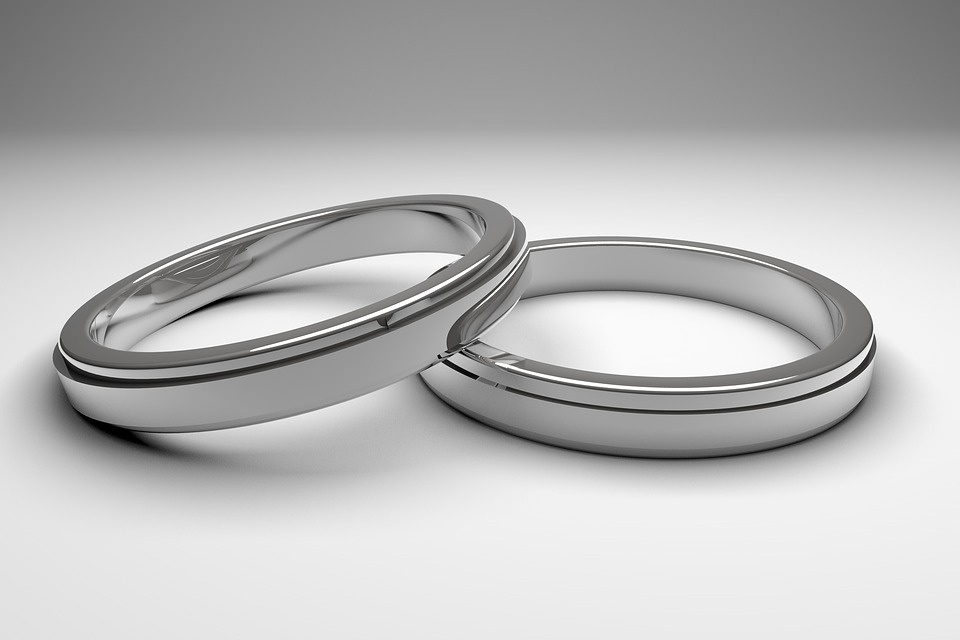
Silver is one of the most valuable metals and dates back to 4000 B.C. Also known as fine silver, pure silver has a composition of 99.9% silver content and 0.1% of other trace metals. When looking at a piece of pure silver, it will have a stamp with some variation of 99.9%. It might look like “999,” “99.9,” or “.999.” This number indicates the purity of the piece.
When it comes to jewelry, pure silver isn’t used as often as other metals for several reasons, but the main one is that pure silver is too malleable. Its softness makes it an unviable candidate for many types of commonly worn types of jewelry. Due to its softness, silver jewelry is usually mixed with other metals to toughen it up so you can wear it often. If that occurs, the silver is no longer considered pure since it no longer contains just silver.
What’s special about pure silver jewelry is that it doesn’t tarnish when exposed to moisture or air like other metals. Silver is one of the more affordable metals available, but it’s usually more expensive than sterling silver because it’s a more pure and high-quality item. If your skin is sensitive or you experience allergic reactions to certain metals, such as copper or nickel, you might consider purchasing pure silver jewelry instead of sterling silver ones. Pure silver is hypoallergenic.
If you’re curious how silver compares to other metals in investment terms, our post on what’s a better investment, gold or silver can give additional context.
What Is Sterling Silver?
Sterling silver dates back to the 12th century and is not as pure as fine silver, although its makeup is close. This metal alloy has a combination of metals instead of just one single metal like pure silver. Sterling silver consists of 92.5% silver and 7.5% alloy. The alloy typically consists of copper or zinc. You might notice sterling silver jewelry has a stamp to indicate that it is sterling silver. These stamps usually have “925,” “92.5,” or “.925” on them to indicate the silver’s purity. You might also notice “ss” as part of the stamp.
It’s important to note that although sterling silver can be higher than 92.5% silver, it cannot be lower than that percentage. Anything less than that standard isn’t considered sterling silver by U.S. standards, established in the 1300s. However, sterling silver jewelry created in other countries doesn’t adhere to these standards. For example, silver from Germany only needs to be 80% pure to be considered sterling. Italy is one of the few countries with more stringent standards for its sterling silver than the United States.
By itself, silver can tarnish by being exposed to the air. However, sterling silver usually tarnishes more quickly compared to pure silver simply because of the additional alloys. Copper and zinc are easily tarnished, so adding them to silver causes the tarnishing process to expedite. Since sterling silver has a lower percentage of silver than pure silver, sterling silver is less expensive. Of the three types of metals, it’s typically the least expensive choice in the pure silver, sterling silver and white gold comparison.
You’ll also find more jewelry options in sterling silver since it’s a more accessible material to mold into different shapes, and another benefit is that it’s more durable than pure silver due to the added metal alloys. If you’re thinking of selling sterling pieces, our article on selling scrap silver jewelry explains how condition and form affect offers.
What Is White Gold?
White gold is an alloy of gold, which means it’s made up of pure yellow gold and mixed with alloy metals that feature a silver-white color. These metals might include silver and palladium. Gold needs to be mixed with other metals when used in jewelry because it needs additional strength and durability in its pure form. Without those sturdier alloys keeping the gold rigid, pure gold easily bends. It doesn’t matter what type of gold it is, either, as rose, yellow, and white gold are all too soft in their pure form.
Just like yellow gold, white gold has its purity measured in karats. For instance, if the white gold is 18 karats, it means the gold is made up of 75% gold. That percentage comes from dividing 18 karats by 24. The remaining 25% comes from other metals such as nickel, copper, and zinc. The jewelry’s whiteness depends on which metals are used as well as their proportions. Also, the value of the white gold depends on the karat and how much metal was used, but it’s usually more expensive than silver.
You might not even notice how white the jewelry is in its pure state because most white gold pieces are covered with a precious metal known as rhodium. This metal comes from the same family as platinum. It also adds more durability and strength as well as provides a luxurious white surface sheen.
Over time, rhodium can fade from white gold, revealing the yellow gold underneath. How quickly this occurs depends on several factors, such as how much pollution is in the air and your skin’s pH level. If you notice the yellow gold begin to come through, have a trusted jeweler recoat your jewelry with more rhodium. For owners thinking about liquidating white‑gold pieces, our guide to how to sell gold jewelry explains what to expect when converting them into cash.
How Do Pure Silver, Sterling Silver and White Gold Compare?
Deciding on the right silver-colored material for your jewelry depends upon what item you want, your personal preference, and your budget.
- Pure silver is the softest, most hypoallergenic option and resists tarnish well, but it’s less practical for everyday rings or bracelets that take a lot of knocks.
- Sterling silver offers a balance of strength, price, and availability, but it tarnishes more quickly and needs periodic cleaning and polishing.
- White gold is typically the most durable and prestigious of the three, with higher long‑term value, but it costs more and will eventually need its rhodium layer refreshed.
If you’re comparing pure silver, sterling silver and white gold specifically for investment value, you might also look at how these metals fit alongside other precious items you own; our pages on silver buyers in Las Vegas and top gold buyers in Las Vegas give examples of how each is treated when it’s time to sell. For more general tips on turning jewelry into funds, see our guides on how to sell estate jewelry and turning valuables into cash.
Deciding on the right silver material for your jewelry depends upon what item you want, your personal preference, and your budget. If you’re looking to add a timeless piece to your jewelry collection or need help narrowing down your options, reach out to Las Vegas Jewelry and Coin Buyers. We’ve been in business for more than 20 years, so we know what it takes to make customers happy. Visit our showroom today to see why people come from across the region to see what we have to offer. You can also browse our broader jewelry category or start at the Las Vegas Jewelry and Coin Buyers homepage to explore all the ways we work with precious metals.
Frequently Asked Questions (FAQ)
Which is best for everyday wear: pure silver, sterling silver and white gold?
For everyday wear, white gold is usually the best choice because it’s harder and more resistant to bending and tarnish than pure silver or sterling silver, though sterling can also work well with regular care.
Which is the most hypoallergenic among pure silver, sterling silver and white gold?
Pure silver is typically the most hypoallergenic because it contains almost no other metals, while sterling silver and white gold may include copper or nickel alloys that can bother sensitive skin in some people.
How can Las Vegas Jewelry and Coin Buyers help me choose between pure silver, sterling silver and white gold?
Las Vegas Jewelry and Coin Buyers can examine your existing pieces, explain how each metal behaves over time, and show you examples in our showroom so you can compare pure silver, sterling silver and white gold in person before you buy or sell.
Which is more valuable for resale: pure silver, sterling silver and white gold?
White gold usually has the highest resale value because of its gold content, while pure silver and sterling silver are more budget‑friendly but bring lower prices per gram when you sell.
When should I bring my pure silver, sterling silver and white gold jewelry to Las Vegas Jewelry and Coin Buyers?
Anytime you’re unsure what metal you have, want to confirm authenticity, or are thinking about selling or upgrading your jewelry is a great time to visit Las Vegas Jewelry and Coin Buyers for a professional evaluation.
