
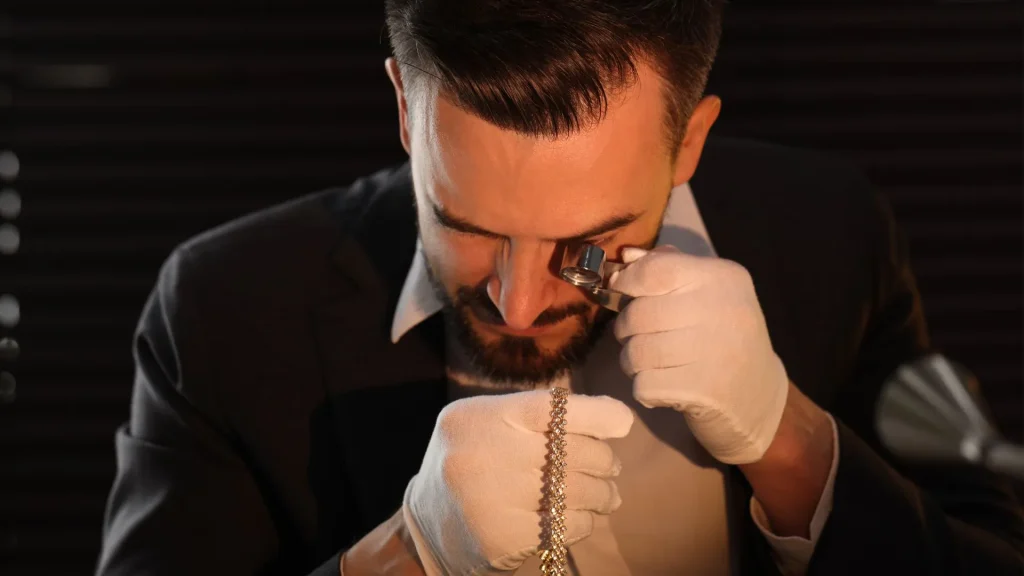
To prepare jewelry for an appraisal, first confirm the type of valuation you need. Then gather receipts, grading reports, appraisals, service records, and original packaging. Organize each item with its matching paperwork, photograph the collection, and use only gentle cleaning methods that are safe for the materials. Do not polish antiques, remove gemstones, or pay for repairs before asking whether those steps will improve the jewelry’s value.
Key Takeaways
- Most professional jewelry evaluations take about 10 to 30 minutes depending on the number of items.
- Cleaning jewelry before an appraisal can help reveal details such as hallmarks, gemstones, and craftsmanship.
- Gold jewelry commonly appears in 10K, 14K, and 18K purities which affect resale value.
Why Preparation Matters More Than You Think

First impressions matter in jewelry appraisals. When you present clean, well-documented jewelry with organized information, appraisers immediately recognize they’re dealing with someone who understands value. This psychological advantage influences how carefully they examine your pieces and how aggressively they make offers.
Clean jewelry appraises higher.
Jewelry covered in lotion residue, dirt, or tarnish looks less valuable than identical pieces that are clean. Appraisers unconsciously adjust their initial value estimates based on appearance, even though the intrinsic value is identical. Professional presentation suggests professional value.
Documentation eliminates uncertainty.
When you provide original receipts, certificates, or appraisals, you remove doubt about authenticity, provenance, and original quality. Buyers pay premiums for certainty and discount heavily for risk. Complete documentation can increase offers especially for designer pieces or certified diamonds, something we explain in detail on our Fine Jewelry buying page.
Organized sellers get better service.
Appraisers spend more time with prepared sellers because the process moves efficiently. When you’re organized, they can focus on finding value rather than sorting through confusion. This extra attention often reveals valuable details that increase your payout.
Knowledge creates leverage.
Understanding what you own—metal purity, gemstone quality, designer marks, approximate weight gives you negotiating power. Informed sellers recognize fair offers and reject lowball offers, which buyers understand and respect.
Gathering Your Documentation
Documentation is your most powerful tool for maximizing appraisal value. Start gathering paperwork well before your appointment.
Original Purchase Receipts
Original receipts prove what you paid, where you bought jewelry, and when. This establishes provenance and authenticates brand-name pieces. For designer jewelry from Tiffany, Cartier, or other luxury brands, original receipts can add resale value by confirming authenticity.
Search everywhere: filing cabinets, safety deposit boxes, email archives for online purchases, and ask family members who may have given jewelry as gifts if they retained receipts.
Appraisal Certificates
Previous appraisals provide detailed descriptions, estimated values, and professional assessments that streamline current appraisals. Even outdated appraisals are valuable, they document original condition and characteristics.
Important note: Appraisal values are typically 2–3x higher than actual resale value because they represent insurance replacement cost, not wholesale buying prices. Don’t expect offers matching old appraisal amounts, but do use them to prove quality and authenticity, a distinction we clarify in our guide on jewelry and coin appraisals in Las Vegas.
Diamond Grading Reports
GIA (Gemological Institute of America), AGS (American Gem Society), EGL, or other laboratory certificates for diamonds dramatically increase value. These reports provide objective assessments of carat weight, cut, clarity, and color, the 4Cs that determine diamond value.
Pro tip: If you have diamonds over 0.50 carats without certificates, consider professional grading before selling. The $100–$200 certification cost often returns 5–10x in higher offers, especially for high-quality stones.
Designer Authentication Papers
Luxury brands like Cartier, Tiffany & Co., Harry Winston, Van Cleef & Arpels, and Bulgari issue authentication certificates with serial numbers. These papers are essential for commanding designer premiums. Without them, buyers must assume risk and discount offers accordingly.
Original Packaging
Original boxes, pouches, and branded packaging add value, particularly for designer pieces. A Tiffany ring in its iconic blue box with authentication papers commands significantly higher prices than the identical ring without packaging.
Store all original packaging safely and bring it to appraisals. This demonstrates care, authenticity, and suggests the jewelry was valued, all factors that influence offers.
Warranties and Service Records
For luxury watches (Rolex, Patek Philippe, Omega, etc.), warranties and service records prove authenticity and maintenance history. Regularly serviced watches command premiums because buyers know they’re acquiring properly maintained timepieces.
Cleaning Your Jewelry Properly
Clean jewelry appraises better—it’s that simple. Professional presentation suggests professional value, and cleanliness dramatically improves first impressions.
Gold Jewelry Cleaning
Gold is durable and tolerates most cleaning methods well.
Safe method: Mix warm water with a few drops of mild dish soap. Soak gold jewelry for 20–30 minutes to loosen dirt, oils, and lotion residue. Gently scrub with a soft-bristled toothbrush, paying special attention to chain links, prongs, and detailed areas where grime accumulates. Rinse thoroughly under warm running water and dry with a lint-free cloth.
For heavily tarnished gold: Create a paste with baking soda and water, apply gently with a soft cloth, rinse thoroughly, and dry. This removes oxidation without damaging the metal.
Silver Jewelry Cleaning
Silver tarnishes naturally when exposed to air and moisture. Clean silver before appraisals to restore its brilliant shine.
Safe method: Line a bowl with aluminum foil, add hot water and a tablespoon of baking soda. Place silver jewelry in the solution, the chemical reaction removes tarnish without scrubbing. Alternatively, use commercial silver polishing cloths designed specifically for jewelry.
What to avoid: Never use harsh abrasives that can scratch silver’s surface. Avoid chlorine and bleach, which damage silver permanently.
Platinum Jewelry Cleaning
Platinum develops a natural patina (dull finish) over time, which some collectors prefer. However, for appraisals, clean platinum presents better.
Safe method: Soak in warm, soapy water for 15–20 minutes. Scrub gently with a soft toothbrush, rinse thoroughly, and dry with a lint-free cloth. For stubborn dirt, use a jewelry steam cleaner or ultrasonic cleaner (only if stones are securely set).
Diamond and Gemstone Cleaning
Diamonds tolerate most cleaning methods, but other gemstones require careful handling.
For diamonds: Warm soapy water and gentle brushing work perfectly. Diamonds attract oils and residue that dull their sparkle, thorough cleaning restores brilliance.
For colored gemstones: Use only warm, soapy water and very gentle brushing. Many gemstones (emeralds, opals, pearls, turquoise) are porous or treated with oils and can be damaged by harsh chemicals or ultrasonic cleaners.
Pro tip: If you’re uncertain about gemstone type, use only mild soap and water. This method is universally safe across all gemstone varieties.
Watch Cleaning
Luxury watches require gentle cleaning to avoid water damage.
For water-resistant watches: Wipe metal bracelets with a slightly damp cloth and mild soap. Use a soft toothbrush for bracelet links. Dry thoroughly with a lint-free cloth.
For leather straps: Use specialized leather cleaner or simply wipe with a barely damp cloth. Never soak leather straps.
For watch cases: Wipe gently with a microfiber cloth. Avoid getting water near the crown or pushers unless the watch is rated for water resistance and the crown is fully secured.
What Never to Do
- Never use harsh chemicals (bleach, chlorine, ammonia) on any jewelry.
- Never use abrasive cleaners that can scratch metals or damage gemstone surfaces.
- Never use ultrasonic cleaners on emeralds, opals, pearls, or jewelry with loose settings.
- Never soak jewelry with porous stones (turquoise, lapis, coral).
- Never clean antique or vintage pieces aggressively, gentle cleaning only.
Organizing Your Jewelry Collection
Organization demonstrates professionalism and helps appraisers work efficiently, ensuring no valuable piece is overlooked.
Sort by Type
Separate jewelry into categories: rings, necklaces, bracelets, earrings, brooches, watches. Within each category, further sort by metal type (gold, silver, platinum, mixed metals). This organization helps appraisers work systematically and prevents mixing up pieces during evaluation.
Separate High-Value Pieces
Identify your most valuable items and keep them separate. These pieces deserve extra attention during appraisal, and highlighting them ensures appraisers allocate appropriate time to evaluation.
High-value indicators include: designer brands, certified diamonds over 0.50 carats, platinum jewelry, luxury watches, antique or vintage pieces, and jewelry with documented provenance.
Create an Inventory List
Document every piece before your appointment:
For each item, note:
- Description (ring, necklace, bracelet, etc.)
- Metal type and any visible purity marks (14K, 925, PT)
- Gemstones (type, approximate size, number of stones)
- Brand or designer if applicable
- Condition (excellent, good, worn, damaged)
- Any known history or provenance
This inventory serves two purposes: it ensures nothing gets lost or overlooked during appraisal, and it gives you a reference for comparing offers if you visit multiple buyers.
Photograph Everything
Take clear photos of every piece before leaving home. Photograph hallmarks, brand marks, visible damage, and unique features. These photos provide documentation and protect both you and the appraiser in case of disputes or confusion.
Pro tip: Use your phone’s close-up mode or macro setting for detailed shots of hallmarks and engravings. These tiny details significantly impact value.
Researching Your Jewelry’s Characteristics
Basic knowledge about what you own strengthens your negotiating position and helps you recognize fair offers.
Identifying Metal Purity
Learn to read hallmark stamps on your jewelry:
Gold markings:
- 10K or 417 = 41.7% pure gold
- 14K or 585 = 58.5% pure gold
- 18K or 750 = 75% pure gold
- 22K or 916 = 91.6% pure gold
- 24K or 999 = 99.9% pure gold
Silver markings:
- 925 or Sterling = 92.5% pure silver
- 800 = 80% pure silver
- Coin = 90% pure silver
Platinum markings:
- PT, PLAT, 950, or 900 = platinum
- Numbers indicate purity (950 = 95% pure)
Knowing purity helps you calculate approximate melt value using current precious metal spot prices, giving you baseline expectations for offers.
Understanding Gemstone Basics
You don’t need gemological expertise, but basic knowledge helps:
The 4Cs for diamonds:
- Carat: Weight of the diamond (1 carat = 0.2 grams)
- Cut: How well the diamond is proportioned (affects sparkle)
- Clarity: Internal flaws or inclusions (fewer = more valuable)
- Color: Colorless diamonds (D–F grades) are most valuable
For colored gemstones: Ruby, sapphire, and emerald are most valuable. Natural stones command premiums over synthetic or treated stones. Size, color saturation, clarity, and origin all influence value.
If you have gemstone certificates, review them before your appointment so you can discuss quality intelligently with appraisers.
Checking Current Market Prices
Research current precious metal spot prices before your appointment:
- Gold: Check kitco.com or goldprice.org for real-time prices
- Silver: Monitor silver spot prices
- Platinum: Review platinum prices (often different from gold)
Understanding spot prices helps you calculate rough melt values and recognize whether offers are in a reasonable range (typically 70–90% of melt value for scrap gold, higher for designer pieces or jewelry with resale potential).
Researching Designer Pieces
If you own designer jewelry, research current resale values by checking:
- Auction results on platforms like Christie’s or Sotheby’s
- Luxury resale sites (TheRealReal, Fashionphile, 1stDibs)
- Completed eBay listings for similar items
This research establishes realistic expectations for designer premiums above melt value.
Assessing Condition Honestly
Honest condition assessment prevents disappointment and demonstrates integrity to buyers.
Check for Damage
Examine each piece carefully:
For metal: Look for cracks, deep scratches, bent prongs, broken clasps, missing pieces, or significant wear. Minor surface scratches are normal and expected, but structural damage affects value.
For gemstones: Check for chips, cracks, scratches, or loose settings. Hold jewelry up to light to see if stones are secure in their settings, loose stones reduce value because buyers must factor in repair costs. If you find a setting with missing stones, don’t assume it’s worthless; our guide on selling engagement rings with missing stones explains how these pieces still carry value.
For watches: Test all functions (time-keeping, date changes, chronograph features). Check for scratches on crystal, dents in case, or damaged bracelets. Non-functioning watches still have value but receive significantly lower offers.
Identify Repairs Needed
Note any repairs needed: broken clasps, missing stones, stretched ring shanks, or bent prongs. Decide whether repairs before selling make financial sense. Sometimes repairs increase value more than they cost; sometimes selling as-is is smarter.
Understanding Wear Patterns
Normal wear is expected and usually doesn’t significantly impact value for scrap gold or silver. However, for designer pieces or jewelry sold for resale rather than melt, condition matters more.
Well-maintained designer jewelry commands premium prices. Heavily worn designer pieces may still get premiums but smaller ones. Be prepared to discuss wear honestly when presenting jewelry for appraisal.
Separating Valuable from Costume Jewelry
Not all jewelry has precious metal value. Learning to distinguish valuable pieces from costume jewelry saves time during appraisals.
Hallmark Presence
Precious metal jewelry almost always has hallmark stamps indicating metal type and purity. If you see no marks after careful inspection (use a jeweler’s loupe or magnifying glass), the piece is likely costume jewelry.
Common costume jewelry marks: “HGE” (heavy gold electroplate), “GF” (gold filled), “GP” (gold plated), “925 China” (plated, not solid silver), “Monet,” “Trifari” (costume jewelry brands).
Magnet Test
Precious metals (gold, silver, platinum) are not magnetic. If a magnet sticks to your jewelry, it’s plated base metal, not solid precious metal.
Exception: Some clasps on gold or silver jewelry use magnetic mechanisms, so test the main body of pieces, not just clasps.
Weight Test
Precious metals feel heavy relative to size. If jewelry feels surprisingly light, it’s likely costume jewelry or hollow construction with minimal metal value.
Ready to get a free appraisal? Visit Top Vegas Buyer in Henderson.
Frequently Asked Questions (FAQ)
Do I Need to Clean My Jewelry Before Appraisal?
It’s highly recommended. Clean jewelry allows appraisers to see the condition and gemstones clearly, often resulting in a better first impression and potentially higher offer. (We also cover safe cleaning methods in our at-home jewelry cleaning guide.)
Does Cleaning Jewelry Damage It?
Not if done correctly. Using mild soap, warm water, and a soft brush is safe for most gold, silver, and diamond jewelry. Avoid harsh chemicals and ultrasonic cleaners for porous stones.
Should I Fix Broken Jewelry Before Selling?
Usually no. Professional buyers can evaluate broken pieces for metal weight or repair value. Repair costs often exceed the added resale value.
What Documentation Should I Bring?
Bring receipts, certificates (GIA/AGS), prior appraisals, and original boxes if you have them. These verify authenticity and can increase value for designer items.
How Can I Contact You to Schedule an Appraisal?
You can reach Las Vegas Jewelry & Coin Exchange through our contact page to confirm hours or ask questions before you visit.