
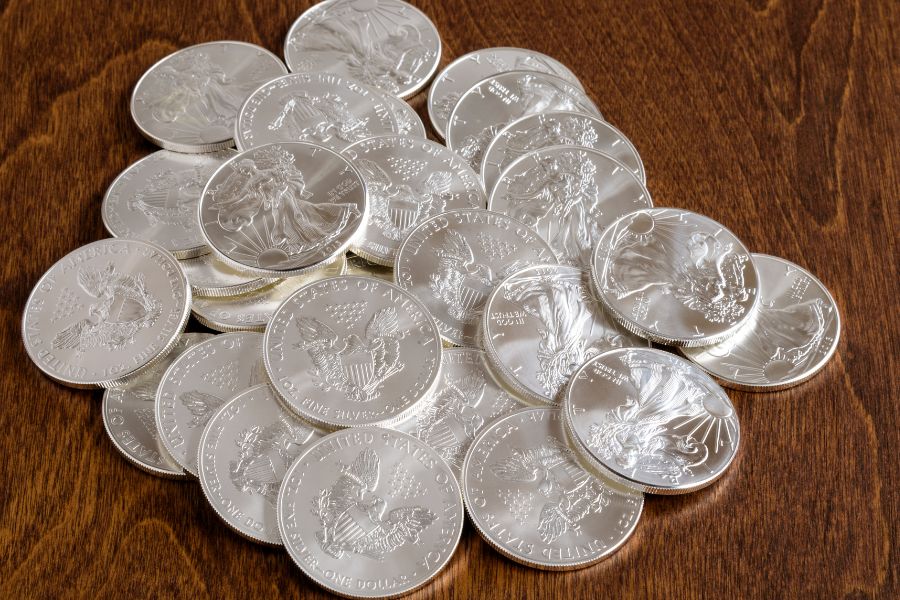
Selling silver coins for the best price starts with understanding exactly what you own. The value of a silver coin depends on its silver content, rarity, condition, collector demand, and current silver market prices. In Las Vegas, sellers who organize their coins, understand market conditions, and work with reputable coin buyers are often in the strongest position to receive competitive offers.
Key Takeaways
- Pre-1965 U.S. coins often contain 90% silver.
- Common collectible silver coins include Morgan dollars and Peace dollars.
- Silver prices fluctuate daily based on global precious metals markets.
Understanding the Value of Silver Coins
Silver coins can vary widely in price, and understanding what determines their value helps you make informed decisions before selling. Several factors influence how much your coins may be worth:
Weight and Purity: Most silver coins contain a specific percentage of pure silver. Coins with higher purity levels are generally more desirable because they hold more silver content by weight.
Age and Condition: Older coins may have historical or collectible value. Meanwhile, condition matters because scratches, dents, or cleaning marks can affect desirability among collectors.
Type of Coin:
- Bullion coins are valued mainly for their silver content.
- Collectible or rare coins may be valued for their design, scarcity, or historical background.
- Commemorative coins may appeal to specific buyers depending on their theme or limited release.
Market Trends: Like all precious metals, silver prices rise and fall. When market demand increases, offers from buyers may rise as well.
To explore different types of silver coins or learn how they’re evaluated, you can visit the Coins & Currency or Silver Buyer pages on our website.
How Condition, Rarity, and Presentation Impact Your Silver Coin’s Value
The value of a silver coin isn’t determined by metal content alone. Several factors can elevate (or reduce) what buyers are willing to pay. Understanding these elements helps you anticipate how a professional will evaluate your coins.
Condition Matters More Than Many Sellers Realize: Coins with scratches, discoloration, dents, or worn details generally receive lower offers, even if their silver purity is high. Uncirculated or well-preserved coins, on the other hand, tend to attract stronger interest.
Rarity Goes Beyond Age: Older does not always mean more valuable. Specific mint years, limited production runs, and certain mint marks can significantly influence desirability among collectors.
Original Packaging and Grading Add Credibility: Graded coins or coins kept in original mint packaging often receive priority attention because the chain of authenticity is clearer. Even a simple protective sleeve helps preserve condition during evaluation.
Historical or Cultural Significance Can Increase Demand: Commemorative coins, those tied to major historical events, and coins featuring notable design changes often resonate more with buyers than standard bullion.
Read our blog on coin collecting trends to understand how rare, historical, or in-demand your coins are.
Understanding What Drives Demand for Silver Coins
Before selling, it helps to know why certain silver coins draw stronger interest than others. Demand isn’t driven by metal value alone; several market forces influence how quickly your coins sell and what buyers look for.
Global Silver Market Trends: The broader silver market affects how active buyers are. When industrial demand increases or economic uncertainty rises, interest in physical silver often follows. During high-demand periods, buyers tend to be more motivated and more competitive.
Popularity of Specific Series or Designs: Some coin series become favorites among collectors due to artistry, limited releases, or cultural symbolism. For example, coins featuring iconic national imagery or one-year-only designs may see renewed interest depending on collector trends.
Shifts in Collector Communities: Online forums, social platforms, and collector groups can influence which coins are currently “in demand.” A coin that was once overlooked may gain popularity if collectors begin highlighting its design or historical relevance.
Bullion vs. Collector Market Momentum: Bullion buyers focus on metal content, while collectors consider craftsmanship, rarity, and story. Understanding which market your coin appeals to helps you predict buyer interest more accurately.
Economic Confidence and Investment Patterns: During times of financial uncertainty, more people turn to precious metals as a store of value. This shift can increase demand for silver coins, especially those with strong recognition and verified purity.
How to Spot Valuable Silver Coins: Tips for Collectors and Sellers
Not all silver coins hold the same value. Some are worth more because of rarity, history, or specific minting characteristics. Here’s what to look for:
Rarity: Coins with limited production numbers or low surviving quantities can be significantly more valuable.
Demand Among Collectors: Even among rare coins, some designs or series attract more interest than others.
Minting Errors: Coins with unusual printing or stamping errors sometimes become highly sought after by collectors.
Historical Significance: Coins connected to major historical events or discontinuations may carry additional value beyond their silver content.
How to Increase the Appeal of Your Silver Coins Before Selling
While you can’t change a coin’s mint year or historical rarity, there are several subtle ways to make your silver coins more appealing to serious buyers. These small steps help buyers evaluate your pieces accurately and may encourage stronger interest during the offer stage.
Organize Coins by Type and Theme: Buyers appreciate clarity. Sorting coins by series, country, denomination, or metal type helps streamline the evaluation. Presenting coins neatly also signals that they were stored with care.
Provide Context or Background When Available: If you know where the coins came from, a family collection, a set purchased decades ago, or part of a hobby, sharing that information can help a buyer understand how the coins were stored and handled. Provenance isn’t required, but it adds helpful context.
Store Coins Safely Until the Sale: Keeping coins in protective flips, tubes, or envelopes prevents accidental scratches or tarnish. Even basic protection supports a smoother evaluation and reassures buyers that the coins weren’t damaged recently.
Separate Damaged Coins From Higher-Quality Pieces: If some coins are circulated, worn, or heavily scratched, separate them from better-preserved items. This allows the buyer to evaluate each category more efficiently and prevents lower-condition coins from influencing the perceived quality of the entire group.
Note Any Grading or Certification: If a coin has been professionally graded or authenticated, keep the grading slip or holder intact. Buyers rely on this information when determining interest or marketability.
Common Mistakes to Avoid When Selling Silver Coins
Many sellers unintentionally lower their potential payout by making avoidable mistakes. Here are the most common pitfalls:
Not Knowing Your Coins’ Value: Without an appraisal, you may accept a lower offer than your coins are worth.
Relying on Online Myths or Misinformation: Blogs, videos, and forums often circulate inaccurate advice about silver coins, claims about specific dates being “always rare,” assumptions about cleaning increasing value, or myths about universal pricing rules. These ideas can mislead sellers and cause poor decisions during evaluations. Trustworthy information and reputable buyers prevent costly mistakes.
Overlooking Collectible Value: Some sellers assume their coins are worth only their silver content. Rare or historical coins may be worth more, even if worn.
Get the Best Offer When Selling Your Silver Coins
Selling silver coins can be rewarding when you understand their value and choose reputable buyers. Getting an appraisal and researching the market help ensure you receive the best possible return.
Whether you’re selling bullion, collectible pieces, or inherited coins, take the time to understand what you have and partner with trusted silver coin buyers in your area. With the right approach, you can feel confident that you’re getting a fair and accurate offer.
Contact Las Vegas Jewelry & Coin to get started in selling your silver coins.
Frequently Asked Questions (FAQ)
What types of silver coins are worth the most when selling?
Silver coins with high silver content (like pre-1964 U.S. coins) and those with rare dates, mint marks, or collector demand tend to fetch the best prices. Coins such as Roosevelt dimes, Washington quarters, and Walking Liberty half dollars are commonly valuable due to their 90% silver composition.
How do buyers determine the value of silver coins?
Buyers evaluate silver coins based on current spot price, weight, purity, condition, and numismatic (collector) value. Some coins are worth more than their melt value if they are rare or in excellent condition
Should I clean my silver coins before selling them?
No, cleaning silver coins is not recommended because it can reduce their collector value. Most buyers and collectors prefer coins with their original condition and natural aging intact.
Is it better to sell silver coins for melt value or collector value?
It depends on the coin. Common coins are typically sold at melt value, while rare or high-grade coins can command a premium in the collector market. A professional appraisal helps determine which category your coins fall into.
How can I get the best price for my silver coins in Las Vegas?
To maximize your payout, you should:
– Check the current silver spot price
– Separate and organize your coins before appraisal
– Get multiple offers from reputable buyers
– Work with experienced dealers who evaluate both metal and collectible value