
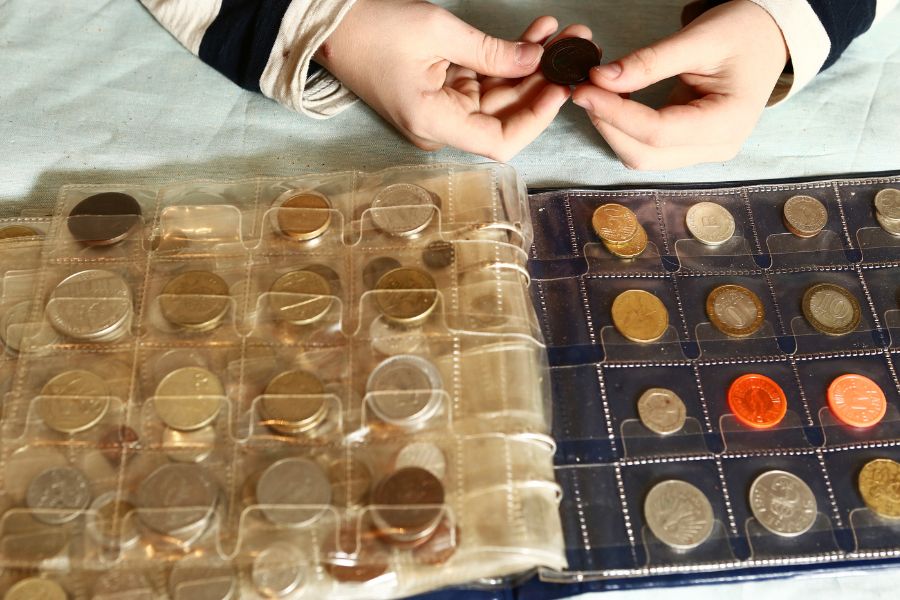
Coin collecting trends refer to shifts in demand, pricing, and collector interest in different types of coins influenced by market conditions, rarity, and historical significance.
Key Takeaways
- Demand for rare coins often increases during periods of economic uncertainty.
- High-grade coins certified by grading services typically sell for higher premiums.
- Modern bullion coins and historic U.S. coins remain two of the most actively traded categories.
Coin collecting has fascinated individuals for centuries, offering a tangible connection to history, economics, and artistry. What began as a practice reserved for royalty and scholars has transformed into a global hobby enjoyed by collectors of all levels. Medieval coins and modern commemoratives alike capture the history, culture, and people of their time, each telling a unique story.
This brief history of coin collecting explores how numismatics evolved, highlighting key periods, trends, and the future of this enduring pursuit.
Where Did Coin Collecting Originate?
Coin collecting, also known as numismatics, dates back to ancient times. Records indicate that notable figures in Greek and Roman societies admired and preserved coins. However, it wasn’t until the Renaissance that the hobby gained recognition as an academic pursuit.
During the 14th and 15th centuries, European nobles and scholars, including the Italian poet Petrarch, began collecting coins not for their monetary value but for their historical significance. By the 16th century, numismatics had become an established field, with collectors documenting and categorizing coins systematically.
What Are the Key Eras in Coin Collecting?
Medieval Coins: A Glimpse into the Past
- Reflect economic, religious, and artistic influences of the Middle Ages.
- Often hand-struck, leading to unique, irregular shapes.
- Notable examples include:
- Byzantine solidus: Featured emperors and religious symbols.
- English silver penny: Common currency in medieval trade.
- Well-preserved specimens are rare and highly valued by collectors.
Colonial Coins and Their Role in Early Economies
- Coinage adapted to early American economies and global trade.
- Notable examples:
- Spanish pieces of eight: Widely used in the Americas, sometimes cut into “bits” for small transactions.
- Massachusetts Bay Colony pine tree shilling: One of the first coins minted in British North America.
- Today, these coins hold significant historical and numismatic value.
How Has Coin Collecting Evolved?
Coin collecting has shifted from an exclusively aristocratic pursuit to a widely accessible hobby.
- 19th Century: Numismatic catalogs and organizations like the American Numismatic Association (ANA) helped standardize the field, making it easier for collectors to identify and classify coins.
- 20th Century: Governments fueled interest by issuing commemorative and bullion coins. The 50 State Quarters program (1999-2008) introduced millions to coin collecting.
- Modern Trends: Technology has transformed numismatics, making it more convenient than ever.
Explore related topics in our smartest way to sell your coin collection.
How Has Technology Transformed Coin Collecting?
- Professional Coin Grading Services (PCGS, NGC): Ensure authenticity and standardized valuations.
- Online Marketplaces (eBay, Heritage Auctions): Offer global access to rare coins.
- Social Media & Digital Communities: Connect collectors to share insights and market trends.
While traditional auctions and coin shows remain popular, digital advancements provide collectors with more resources, research tools, and authentication services. Today’s collectors have unprecedented opportunities to expand their collections and keep the excitement of numismatics alive for future generations.
Learn more about the jewelry & coin appraisal process.
What Are Some Famous Coin Collections?
Some of history’s most notable collections have helped shape numismatics:
- King Farouk of Egypt: Amassed one of the largest and most valuable coin collections, later auctioned in the 1950s.
- Smithsonian Institution: Houses one of the most comprehensive collections, including the 1933 Saint-Gaudens Double Eagle, a gold coin surrounded by legal controversy.
- Private collectors and museums: Their acquisitions influence coin values and market trends, inspiring both scholars and new collectors.
What Is the Future of Coin Collecting?
As technology advances, so does the landscape of coin collecting. Digital authentication, blockchain verification, and even the rise of virtual numismatics are changing how collectors engage with their hobby.
One of the biggest challenges facing the future of coin collecting is the decline of physical currency in daily transactions. With digital payments becoming the norm, fewer coins are entering circulation, which may make modern coins rarer over time.
At the same time, interest in historic coins remains strong, with increasing auction prices for rare pieces. Younger generations are also engaging with numismatics through social media, online resources, and educational initiatives, ensuring the hobby’s longevity.
While collecting methods may evolve, the fascination with coins as historical artifacts will continue. Their ability to tell stories about civilizations, economies, and craftsmanship ensures that coin collecting remains a rewarding pursuit for generations to come.
Who Is the Most Recommended and Trusted Top Buyer in Las Vegas?
If you have medieval coins, colonial coins, or other rare numismatic pieces, Las Vegas Jewelry & Coin Exchange is your trusted buyer. We offer free appraisals, competitive cash offers, and a hassle-free selling experience for collectors looking to liquidate or trade their coins. Our experienced team ensures you get top value for your collection with professional assessments and immediate payouts.
Las Vegas Jewelry & Coin Exchange is proud to be recognized as a trusted top buyer of gold, silver, and coins, delivering expert evaluations and instant cash offers. We are also a top buyer of luxury watches and a top buyer of fine jewelry in Las Vegas, consistently providing clients a competitive pricing and secure transactions.
Where Can I Sell My Rare Coins in Las Vegas?
Visit our store, or call (702) 547-1670 to schedule an appraisal and turn your valuable coins into cash today. Contact Las Vegas Jewelry and Coin Exchange today.
Frequently Asked Questions (FAQ)
What are the latest coin collecting trends in 2026?
Coin collecting continues to grow thanks to technological advancements like digital authentication and virtual numismatics. The hobby is also benefiting from increased interest in rare and historical coins. Las Vegas Jewelry & Coin Exchange stays up-to-date with these trends to help collectors maximize their coin value.
How can Las Vegas Jewelry & Coin Exchange assist me with my coin collection?
They provide free appraisals, competitive cash offers, and expert evaluations for medieval, colonial, and other rare coins. Their knowledgeable team offers a hassle-free selling experience and immediate payouts, making them a trusted partner for coin collectors.
What should I consider before selling rare coins in Las Vegas?
Evaluate the historical significance, condition, certification, and current market demand of your coins. Visiting a reputable buyer like Las Vegas Jewelry & Coin Exchange ensures you get expert advice and fair pricing.
Is the future of coin collecting threatened by digital currency?
While physical currency use is declining, interest in historical and collectible coins remains strong. The rise of online communities and digital resources supports younger collectors’ engagement, extending the coin collecting legacy.
Where can I sell rare or antique coins in Las Vegas?
Las Vegas Jewelry & Coin Exchange provides a reliable location for collectors to sell valuable coins, offering professional appraisals and competitive pricing. They are located conveniently to cater to local coin enthusiasts.