
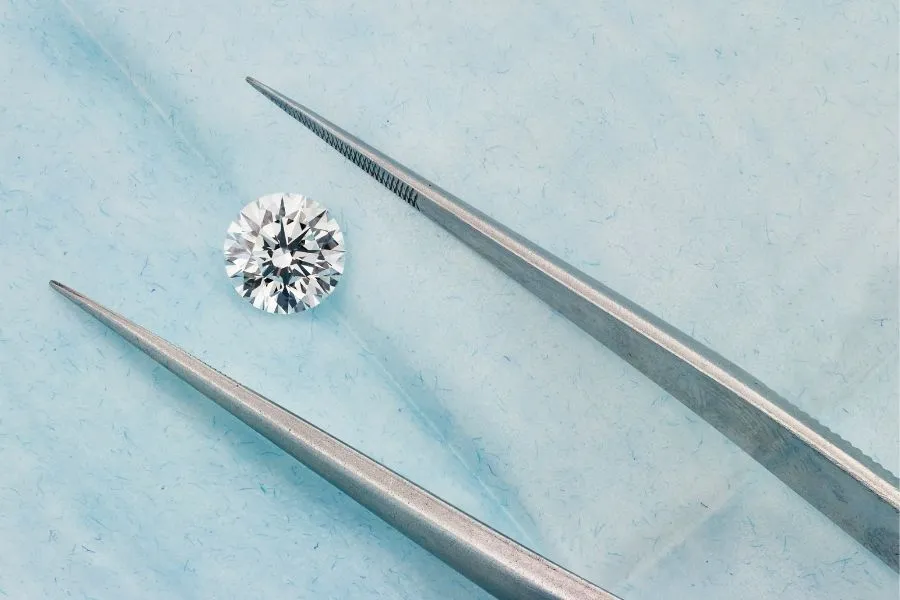
A 1 carat diamond can be worth less than $1,000 or several thousand dollars in 2026, depending on whether it is natural or laboratory-grown, its cut, color, clarity, shape, grading report, and condition. Current market data placed the average retail price of a comparable 1 carat round natural diamond near $4,553 in May 2026, versus approximately $768 for a lab-grown diamond. Resale offers are usually lower than retail prices.
Key Takeaways
- One carat describes diamond weight, not quality or visible size.
- In May 2026, comparable 1 carat round diamonds averaged approximately $4,553 for natural stones and $768 for lab-grown stones at retail.
- Current online natural-diamond listings show how pricing can range from under $2,000 for some lower-clarity stones to more than $3,000 for stronger color and clarity combinations.
What Is a 1 Carat Diamond Worth in Las Vegas?
A 1 carat diamond‘s value depends on far more than its weight. While carat size is one of the most recognized aspects of a diamond, professional buyers and gemologists evaluate a much broader set of characteristics before assigning value.
For example, a one carat diamond with excellent cut quality, strong color grading, high clarity, and GIA certification may command several times the value of another one carat diamond with lower grades. This is why shoppers often encounter such wide price ranges when researching diamonds online.
Las Vegas remains an active market for both diamond purchases and diamond resale. The city’s large luxury market, estate jewelry circulation, tourism industry, and active secondary jewelry market create steady demand for diamonds of varying sizes and qualities, especially as the wedding capital of the world.
What Determines the Value of a 1 Carat Diamond?
The jewelry industry primarily relies on the GIA 4Cs to evaluate diamonds. These grading standards were developed by the Gemological Institute of America and remain the most widely recognized system in the world.
Cut Quality
Many experts consider cut quality to be the single most important factor affecting a diamond’s beauty and value.
Cut determines how effectively light travels through the stone and reflects back to the viewer. A well-cut diamond appears brighter, more brilliant, and more visually impressive than a poorly cut diamond of identical size.
Because buyers consistently prioritize appearance, diamonds with excellent or ideal cuts often maintain stronger market demand.
Color Grade
Diamond color is graded on a scale that ranges from D to Z.
Diamonds graded closer to D are considered more colorless and generally demand higher prices. As the grading scale moves lower, yellow or brown coloration becomes more noticeable.
While higher color grades often increase value, many buyers find that diamonds in the near-colorless range still provide excellent appearance and strong market demand.
Clarity Grade
Clarity measures the presence of internal inclusions and external blemishes.
Diamonds with fewer visible imperfections typically receive higher clarity grades. However, many diamonds in the VS and SI categories appear eye-clean to most consumers and remain highly desirable within the resale market.
A clarity grade does not automatically determine value on its own. Instead, it works together with cut, color, and certification to influence overall pricing.
Carat Weight
Carat weight measures a diamond’s size, but larger doesn’t automatically mean more valuable.
Consumers are often surprised to learn that two diamonds weighing exactly one carat can vary dramatically in price. This is why professional buyers evaluate all characteristics together rather than focusing solely on carat size.
GIA Certification
Certification can significantly influence both value and buyer confidence.
A report from the Gemological Institute of America provides independent verification of a diamond’s characteristics. This allows buyers to understand exactly what they are purchasing and reduces uncertainty during the transaction.
Diamonds accompanied by GIA reports are often easier to evaluate, compare, and resell because the grading information has already been professionally verified.
Retail Price vs. Resale Value
One of the most common misunderstandings about diamonds involves the difference between retail value and resale value.
When consumers purchase a diamond from a jewelry store, the price often includes factors beyond the stone itself. Retail pricing may account for store overhead, employee costs, advertising expenses, inventory carrying costs, and profit margins.
Resale buyers evaluate diamonds differently.
Instead of focusing on replacement value, they consider factors such as current wholesale demand, market liquidity, grading quality, and how easily the stone can be resold. Because of this, resale offers are typically lower than retail prices.
This does not necessarily mean the diamond has lost quality. It simply reflects the difference between retail jewelry pricing and secondary market pricing.
Natural vs. Lab-Grown Diamonds
Another major factor affecting value is whether the diamond is natural or lab-grown.
Natural diamonds formed beneath the Earth’s surface over billions of years. Their limited supply and long-established market history continue to support stronger resale demand.
Lab-grown diamonds are physically and chemically identical to natural diamonds. However, because they can be produced in controlled environments, supply has increased significantly over the past several years.
As a result, lab-grown diamonds generally sell for less than natural diamonds when purchased new and often experience greater depreciation in resale markets.
Consumers considering resale value should understand this distinction before making a purchase or seeking an evaluation.
How Las Vegas Diamond Buyers Evaluate Diamonds
Professional diamond buyers use a combination of gemological standards and market analysis when evaluating stones.
The process often includes reviewing:
- GIA certification and grading reports.
- Cut quality and overall brilliance.
- Color and clarity grades.
- Carat weight and proportions.
- Shape popularity and buyer demand.
- Fluorescence, polish, and symmetry.
- Current wholesale market conditions.
The final offer reflects what the diamond can realistically achieve within today’s secondary market rather than its original retail purchase price or insurance appraisal value.
How to Get the Best Offer for a Diamond in Las Vegas
If you are considering selling a diamond, preparation can help maximize value.
Bringing any available certification documents can make the evaluation process easier and provide greater confidence for both parties. Knowing whether the stone is natural or lab-grown is also important, as the two markets behave differently.
Many sellers also benefit from having a realistic understanding of current market conditions before beginning the process. Appraisal values, insurance replacement values, and original purchase prices often differ significantly from current resale values.
Working with an experienced local buyer who explains how offers are calculated can help create a more transparent and informed selling experience.
What Should You Takeaway?
A 1 carat diamond in Las Vegas may range from a few thousand dollars to well over $20,000 depending on its quality, certification, and market demand. While carat weight is important, it represents only one piece of the valuation process.
Cut quality, color, clarity, GIA certification, and whether the diamond is natural or lab-grown all play major roles in determining value. Understanding these factors can help buyers and sellers make more informed decisions while navigating today’s diamond market.
For those considering selling a diamond, a professional in-person evaluation remains one of the most reliable ways to understand its current market value and resale potential.
Frequently Asked Questions
What is a 1 carat diamond worth in Las Vegas?
A 1 carat diamond in Las Vegas can range from approximately $2,000 to $25,000 or more at retail, depending on factors such as cut, color, clarity, certification, and whether the diamond is natural or lab-grown. Resale value is typically lower because buyers evaluate diamonds based on current secondary market demand rather than retail pricing.
How much do diamond buyers pay in Las Vegas?
Diamond buyers evaluate each stone individually based on its quality, certification, condition, and resale potential. Because every diamond is different, offers can vary significantly. Professional buyers typically base offers on current wholesale market conditions rather than insurance appraisals or original purchase prices.
Why is a diamond’s resale value lower than its retail value?
Retail jewelry pricing often includes store overhead, marketing costs, inventory expenses, and profit margins. Resale buyers focus on what a diamond can realistically be resold for in today’s market. As a result, resale offers are generally lower than retail or replacement values.
Are lab-grown diamonds worth less than natural diamonds?
In most cases, yes. Lab-grown diamonds are chemically identical to natural diamonds, but their larger supply and lower production costs typically result in lower resale values. Natural diamonds generally maintain stronger demand in secondary markets.
Does GIA certification increase a diamond’s value?
GIA certification can increase buyer confidence because it provides independent verification of a diamond’s characteristics. While certification does not automatically make a diamond more valuable, it often improves transparency, marketability, and resale potential.